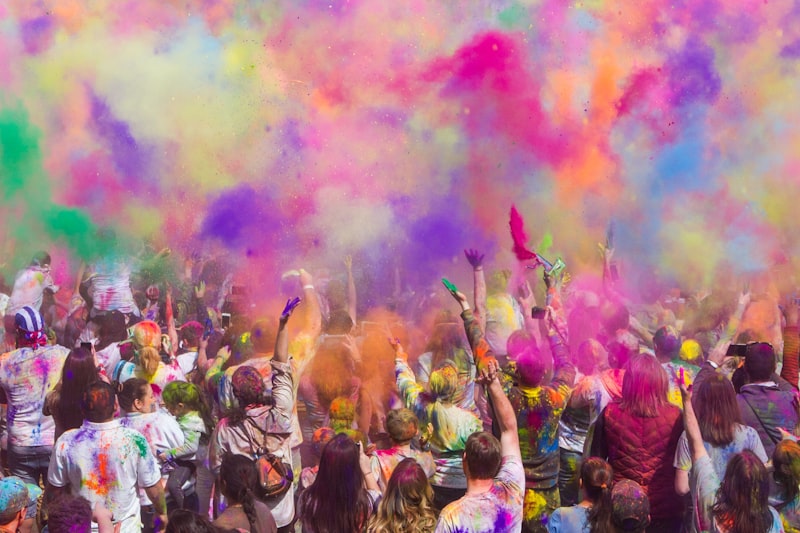
Holi 2026: India's Festival of Colors Celebration Guide
Experience the vibrant chaos of Holi, India's spectacular festival of colors celebrating the triumph of good over evil and the arrival of spring.
Holi 2026: The Unfiltered Guide to India's Wildest Festival
Holika Dahan: March 2, 2026 (evening bonfire)
Holi: March 3, 2026 (colors)
Holi is not a clean experience. You will be covered in color, possibly groped (a real problem), definitely exhausted, and absolutely will not get the colors out of your hair for days. It's also extraordinary. Here's what you need to know.
What Holi Actually Is
The mythology: Prahlad, a devotee of Vishnu, was ordered killed by his demon king father. His aunt Holika, immune to fire, sat in a pyre with him. Through divine intervention, Prahlad survived and Holika burned. The bonfire (Holika Dahan) the night before symbolizes this.
The colors: Krishna (blue-skinned god) felt insecure about his dark complexion compared to his love Radha's fair skin. His mother suggested he color Radha's face. This playful act became Holi's color-throwing tradition.
The seasonal meaning: Holi marks the end of winter and arrival of spring. The full moon night is believed to have special spiritual significance.
The Two Days Explained
Holika Dahan (March 2 evening):
Holi / Dhulandi (March 3):
Where to Experience It
The legendary places:
Mathura & Vrindavan (Krishna's birthplace):
> "Vrindavan Holi is overwhelming — week-long celebrations, flower Holi at Banke Bihari temple, thousands of people in narrow lanes. Not for beginners." — Travel photographer
Jaipur:
Udaipur:
For first-timers or safety-conscious:
The Safety Reality
Sexual harassment during Holi is a documented problem.
Women — especially foreign women — report groping, inappropriate touching, and being targeted with color as pretense for contact. This is not universal, but it's common enough to require preparation.
Protection strategies:
For everyone:
Preparing Your Body (Literally)
Before going out:
Colors to avoid:
The Food
Gujiya: The quintessential Holi sweet — deep-fried dumpling filled with khoya (reduced milk), nuts, and sugar. Every household makes these.
Thandai: Spiced milk drink (cardamom, fennel, rose, poppy seeds). Traditional version may contain bhang (cannabis) — always ask. Non-bhang thandai is delicious.
Dahi Bhalle: Lentil dumplings in yogurt with tamarind chutney. Cooling, perfect after playing.
Malpua: Sweet fried pancakes soaked in syrup.
Regional Variations
| Region | Style | Notable Feature |
|---|---|---|
| Braj (UP) | Most intense | Week-long, multiple variations |
| Punjab | Water-focused | Bhangra dancing |
| Bengal | Dol Yatra | More refined, Tagore influence |
| Maharashtra | Rangpanchami | 5 days after Holi |
| South India | Less common | Not traditionally celebrated |
Post-Holi Cleanup
Practical Info
Public holiday: Yes in India (most states)
What's open: Very little on Holi morning; more reopens by evening
Transport: Expect reduced service; many drivers take the day off
Photography: Protect camera completely — color powder destroys equipment. Phone in waterproof case minimum.


