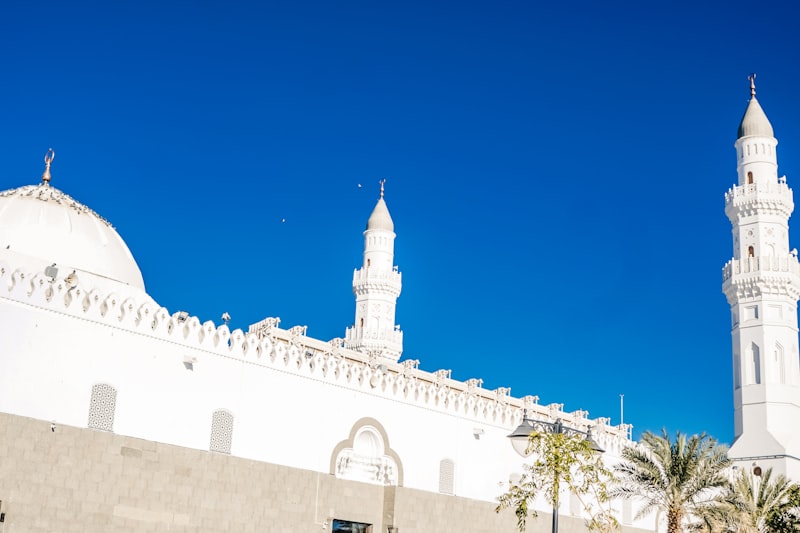
Eid al-Adha 2026: Festival of Sacrifice Guide
Discover Eid al-Adha traditions, the Islamic festival honoring Ibrahim's sacrifice, with prayers, feasts, and charitable giving.
Eid al-Adha 2026: The Greater Eid
Expected Dates: June 6-9, 2026 (10-13 Dhul Hijjah 1446)
Note: Exact dates depend on moon sighting
Eid al-Adha (عيد الأضحى) — the "Festival of Sacrifice" — is one of Islam's two major holidays and is considered the holier of the two Eids. It coincides with the Hajj pilgrimage and commemorates Prophet Ibrahim's willingness to sacrifice his son.
The Story
The Quranic narrative: Allah commanded Ibrahim (Abraham) to sacrifice his son Ismail (Isaac in Judeo-Christian tradition). Ibrahim prepared to obey, but Allah intervened, providing a ram to sacrifice instead. This act of submission ("Islam" literally means submission) is commemorated annually.
The Hajj Connection
Eid al-Adha occurs during Hajj, the annual pilgrimage to Mecca that every able Muslim should complete once in their lifetime.
Hajj 2026 timeline:
| Date | Event |
|---|---|
| June 4 | Day of Tarwiyah (8th Dhul Hijjah) |
| June 5 | Day of Arafah (9th Dhul Hijjah) — fasting encouraged for non-pilgrims |
| June 6 | Eid al-Adha Day 1 (10th Dhul Hijjah) |
| June 7-9 | Days of Tashreeq (11-13 Dhul Hijjah) |
The Sacrifice (Qurbani/Udhiyah)
Central to Eid al-Adha is the animal sacrifice:
Who should perform:
Acceptable animals:
| Animal | Shares | Minimum Age |
|---|---|---|
| Sheep/Goat | 1 | 1 year |
| Cow/Buffalo | 7 | 2 years |
| Camel | 7 | 5 years |
Meat distribution (traditional):
Modern practice: Many Muslims donate money to organizations that perform sacrifice and distribute meat to those in need globally.
> "In many urban areas, people no longer sacrifice personally. Organizations handle it and distribute to refugee camps, conflict zones, or poor communities." — Islamic Relief worker
The Day's Schedule
Typical Eid al-Adha morning:
| Time | Activity |
|---|---|
| Before dawn | Ghusl (ritual bath), wear best clothes |
| After sunrise | Eid prayer (Salat al-Eid) — typically 20-40 minutes after sunrise |
| After prayer | Sermon (Khutbah), greetings |
| Mid-morning | Sacrifice performed (if doing personally) |
| Rest of day | Visiting family, feasting |
Prayer notes:
Regional Variations
| Country | Distinctive Element |
|---|---|
| Pakistan | Sacrificial animals decorated, sold at melas (fairs) |
| Turkey | Bayram visits to elders, candy for children |
| Egypt | Public slaughter areas, communal spirit |
| Indonesia | Parades, communal prayers in stadiums |
| Morocco | King leads prayer, sheep in every home |
| UAE/Gulf | Lavish celebrations, Eid bonuses from employers |
| India | Community iftars, biryanis, sewaiyan |
Food by Region
South Asia (Pakistan, India, Bangladesh):
Arab world:
Turkey:
Southeast Asia:
What to Expect in Muslim-Majority Countries
Open:
Closed:
Traffic: Heavy on Day 1 morning (everyone going to prayer) and throughout as families visit each other.
Gift-Giving: Eidi
Children receive "Eidi" — monetary gifts from elder relatives. This is expected and reciprocated throughout extended families.
Amounts vary by:
For Non-Muslims
If invited to Eid celebration:
If visiting Muslim country during Eid: