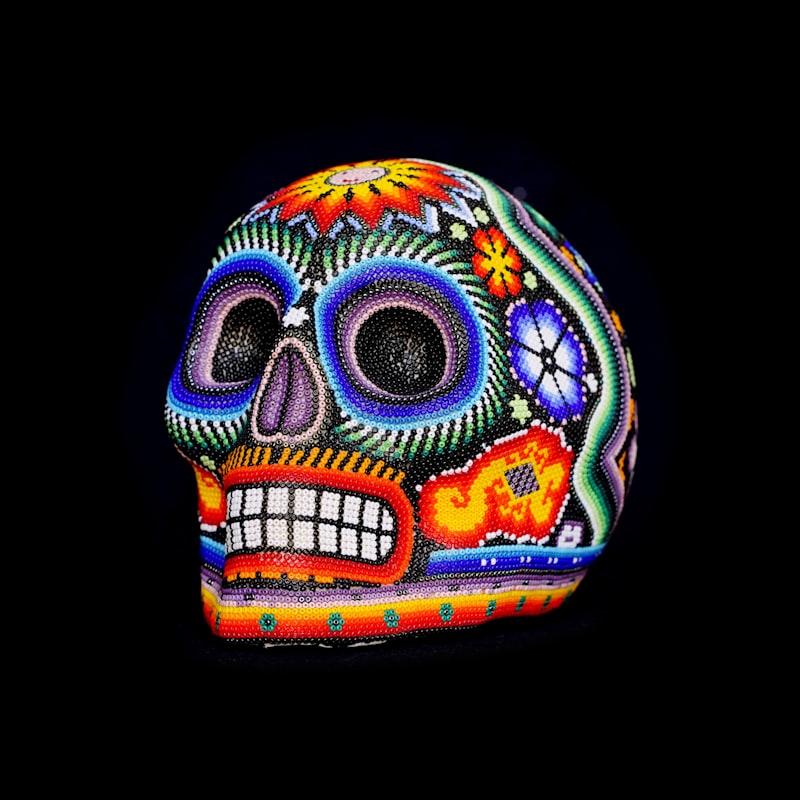
Día de los Muertos 2026: Mexico's Day of the Dead Celebration Guide
Explore the colorful traditions of Mexico's Day of the Dead, from ofrendas to sugar skulls, and how to honor this unique holiday.
Día de los Muertos 2026: The Reality Behind Mexico's Most Photographed Holiday
Dates: October 31 – November 2, 2026
Día de los Muertos is frequently misunderstood as "Mexican Halloween" — it's not. This UNESCO-recognized tradition is a sincere family ritual that predates European contact, blending indigenous Aztec beliefs with Catholic influences.
The Three Days Explained
| Date | Name | Who is Honored |
|---|---|---|
| October 31 | Víspera | Preparation day; altars completed |
| November 1 | Día de los Inocentes / Día de los Angelitos | Deceased children |
| November 2 | Día de los Muertos | Deceased adults |
The belief: spirits of the dead return to visit the living during these days. Families don't mourn — they welcome their loved ones back.
The Ofrenda: What Goes on the Altar
An ofrenda (altar) isn't decorative — every element has purpose:
Required elements:
> "My grandmother's ofrenda always has mole negro, her specialty. My uncle's has Coca-Cola and cigarettes. You put what they loved." — María Elena, Oaxaca resident
Common additions:
Cemetery Traditions: What Actually Happens
Families spend hours — sometimes overnight — at cemeteries on November 1-2:
Practical activities:
Atmosphere: Not somber. Expect laughter, storytelling, children playing. It's a reunion — the dead are there, too.
Best Places to Experience It Authentically
Michoacán (especially Pátzcuaro and Janitzio):
Oaxaca:
Mixquic (south of Mexico City):
What Tourists Often Get Wrong
The face paint:
The "Catrina" makeup (white face, black eyes, floral decorations) comes from a 1910 political cartoon by José Guadalupe Posada. It became associated with Día de los Muertos later and is now more popular with tourists than locals.
The parades:
Mexico City's massive parade only began in 2016, inspired by the James Bond film Spectre. Traditional celebrations are family-based, not parade-based.
Timing:
Showing up on November 2 expecting a party isn't wrong, but November 1 (children) is equally significant. The preparation on October 31 is when locals are most active building ofrendas.
Respectful Participation for Visitors
Do:
Don't:
Practical Information
Weather: Warm days (70s°F), cool evenings (50s°F). Layers essential for all-night vigils.
Food to try:
What closes: Government offices (November 1-2 are federal holidays). Most businesses remain open.


